+91 9810026888 | info@noblehousetours.in

Ajanta Ellora Caves: All You Need To Know Before You Take A Trip In 2023
India’s cultural heritage is a treasure trove of ancient wonders, and the Ajanta Ellora Caves stand out as prime examples of architectural brilliance and artistic mastery. Nestled in the state of Maharashtra, these UNESCO World Heritage Sites are a testament to India’s rich history and artistic legacy. If you are planning to embark on a journey to these magnificent cave complexes in 2023, here’s all you need to know to make the most of your trip.
History Of Ajanta Ellora Caves

The Ajanta and Ellora Caves in Maharashtra, India, hold a significant place in the country’s architectural heritage. The Ajanta Caves, with their exquisite rock-cut sculptures and frescoes depicting Buddhist themes, date back to the 2nd century BCE to the 6th century CE. The Ellora Caves, a blend of Buddhist, Hindu, and Jain temples, were constructed from the 6th to the 10th century CE. Both cave complexes showcase India’s rich history and artistic legacy and have been designated as UNESCO World Heritage Sites.
Abandoned for centuries, these cave complexes were rediscovered in the 19th century, capturing the fascination of archaeologists, historians, and art enthusiasts worldwide. Today, these ancient wonders continue to mesmerize visitors with their architectural brilliance and spiritual essence, providing a window into the diverse and glorious past of India’s cultural heritage.
[wg-cta]
Best Time To Visit Ajanta Ellora Caves
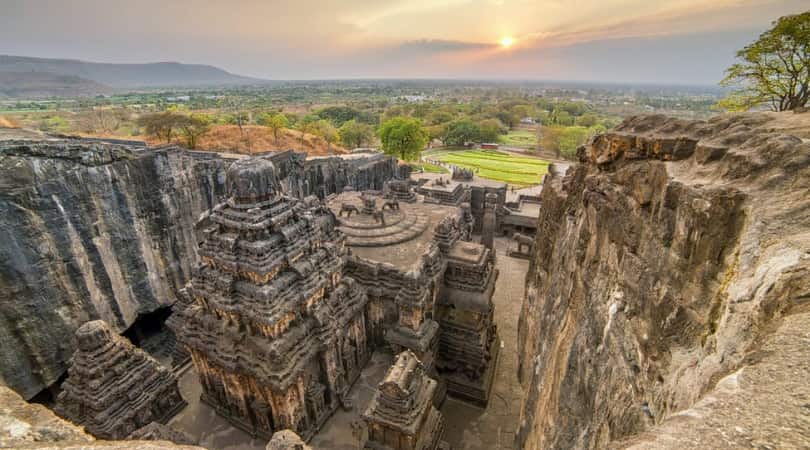
The best time to visit the Ajanta and Ellora Caves is during the winter months, from November to February. This term presents the most enjoyable weather with cool temperatures, making it comfortable for sightseeing and exploration. The scorching summers (March to May) can be harsh, and the monsoon season (June to September) brings heavy rainfall, which may hamper your travel plans and cave visits.
Visiting during the winter allows you to fully enjoy the intricacies of the cave temples, as the weather is conducive to long walks and exploration. The cool temperatures provide relief from the heat, creating a more pleasant experience altogether.
Moreover, the winter months coincide with the peak tourist season, and you can witness various cultural festivals and events in the region during this time. Plan your trip in the winter to immerse yourself in the rich history and artistic marvels of the Ajanta and Ellora Caves, ensuring a memorable and rewarding experience.
Difference Between Ajanta And Ellora Caves
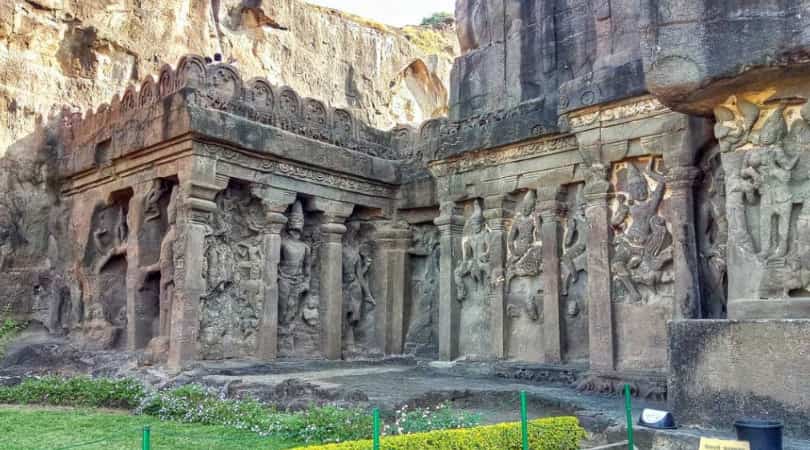
The Ajanta and Ellora Caves are two distinct cave complexes located in the state of Maharashtra, India. While both are UNESCO World Heritage Sites and showcase remarkable rock-cut architecture and artistic craftsmanship, they have significant differences in terms of their historical context, religious significance, and artistic themes.
- Historical Background
- Ajanta Caves – The Ajanta Caves are primarily Buddhist cave temples and monasteries, dating back to the 2nd century BCE to the 6th century CE. They were constructed over two phases under the Satavahana and Vakataka dynasties.
- Ellora Caves – The Ellora Caves, on the other hand, represents a fusion of Buddhist, Hindu, and Jain religious art and architecture. They were carved during a later period, from the 6th to the 10th century CE, under the Rashtrakuta and Chalukya dynasties.
- Religious Significance
- Ajanta Caves – The Ajanta Caves predominantly depict Buddhist themes, with intricately carved statues and vivid frescoes showcasing events from Buddha’s life and Jataka tales.
- Ellora Caves – The Ellora Caves encompass a mix of religious ideologies, with Hindu, Buddhist, and Jain cave temples coexisting. The Kailash Temple (Cave 16) is the most notable structure, dedicated to Lord Shiva, displaying elaborate sculptures and carvings.
- Architectural Style
- Ajanta Caves – The Ajanta Caves are more focused on monastic retreats, with elaborate prayer halls, votive stupas, and living quarters carved into the rock face.
- Ellora Caves – The Ellora Caves showcase a variety of architectural styles, ranging from simple viharas and chaityas (Buddhist monastic complexes) to grand Hindu temples with intricate carvings and colossal sculptures.
- Location
- Ajanta Caves – The Ajanta Caves are situated near the village of Ajanta in Aurangabad district, Maharashtra, and are located within a horse-shoe-shaped cliff.
- Ellora Caves – The Ellora Caves are located around 30 kilometers from Ajanta, near the city of Aurangabad, and are carved into the basaltic hillside.
Key Attractions Of Ajanta Ellora Caves
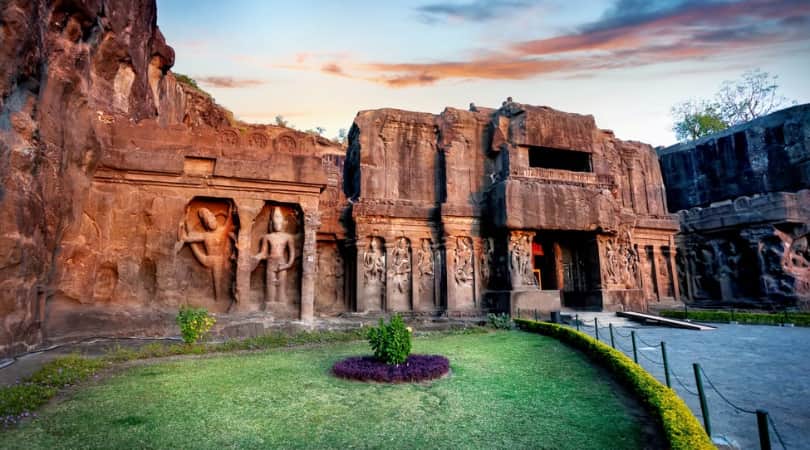
The Ajanta and Ellora Caves, two UNESCO World Heritage Sites located in Maharashtra, India, offer a fascinating trip into the nation’s wealthy history and creative splendor. These ancient rock-cut cave complexes boast a plethora of key attractions that mesmerize visitors from around the world. Let’s explore some of the most significant highlights of Ajanta and Ellora Caves –
- Ajanta Caves
- Intricate Buddhist Art – Ajanta Caves are renowned for their intricate Buddhist art, including captivating rock-cut sculptures and vivid frescoes that depict the life of Lord Buddha and Jataka tales. The artistic finesse and attention to detail in these ancient artworks are awe-inspiring.
- Cave Temples and Monasteries – The complex of 30 caves includes prayer halls, monastic retreats, and assembly areas, showcasing the monastic lifestyle of ancient Buddhist monks. Each cave presents a remarkable peek into the spiritual and cultural practices of the time.
- Cave 26 and Cave 29 – Cave 26 houses a stunning seated Buddha statue in a preaching posture, while Cave 29 showcases an elaborate chaitya (prayer hall) with a magnificent stupa, both considered masterpieces of ancient Indian art.
- Ellora Caves
- Three Religious Traditions – The Ellora Caves are a harmonious blend of Buddhist, Hindu, and Jain religious art, reflecting the religious diversity of ancient India. The site houses 34 caves, each dedicated to different deities and religious beliefs.
- Kailash Temple (Cave 16) – The crown jewel of Ellora, the Kailash Temple is a monolithic marvel dedicated to Lord Shiva. Carved out of a single rock, this grand structure features intricate sculptures, including the iconic Ravana lifting Mount Kailash.
- Jain Caves – The Jain caves at Ellora, primarily Cave 32 and Cave 34, are adorned with beautiful sculptures depicting Jain Tirthankaras. These serene cave temples exemplify the Jain architectural style and spiritual significance.
- Architectural Brilliance
- Rock-Cut Architecture – Both cave complexes showcase exceptional rock-cut architecture, where entire cave temples were chiseled out of solid rock cliffs, exemplifying the craftsmanship of ancient Indian artisans.
- Elaborate Sculptures – The caves feature elaborately carved statues, intricate friezes, and delicate embellishments that demonstrate the mastery of ancient sculptors in conveying religious and mythological narratives.
- Spiritual Essence
- Tranquility and Serenity – The Ajanta and Ellora Caves exude an aura of tranquility and spiritual serenity. Amidst the natural beauty and surrounding greenery, visitors can immerse themselves in an atmosphere of profound peace.
- UNESCO World Heritage Sites
- Historical Importance – Both Ajanta and Ellora Caves have been recognized by UNESCO for their immense cultural and historical significance, preserving these architectural wonders for future generations.
Things To Do At Ajanta And Ellora Caves
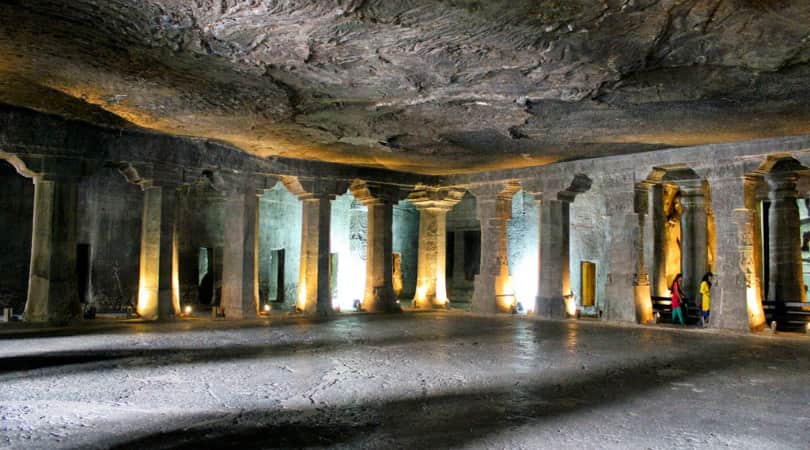
Exploring the Ajanta and Ellora Caves is an immersive journey into India’s ancient heritage, where visitors can witness the brilliance of rock-cut architecture, marvel at exquisite sculptures, and immerse themselves in the spiritual ambiance of these sacred cave complexes. Here are some must-do activities that will enhance your experience at Ajanta and Ellora –
- Admire the Intricate Artwork
Take your time to admire the intricate artwork adorning the cave walls at both Ajanta and Ellora. Marvel at the delicate carvings, intricate sculptures, and vibrant frescoes that narrate tales from ancient Indian mythology and depict scenes from Buddha’s life and the Jain and Hindu pantheon.
- Explore the Cave Temples
At Ajanta, wander through the impressive prayer halls, monastic retreats, and assembly areas that once hosted Buddhist monks and devotees. Each cave at Ajanta has its unique architectural style and artistic treasures waiting to be discovered. At Ellora, explore the diverse religious traditions represented in the cave temples, from the majestic Kailash Temple dedicated to Lord Shiva to the serene Jain caves adorned with Tirthankara sculptures.
- Attend the Light and Sound Show
Both Ajanta and Ellora offer mesmerizing light and sound shows in the evening, bringing the caves’ history and legends to life. The narrated shows use captivating lights and sound effects to immerse visitors in the historical context and religious significance of these cave complexes.
- Capture the Beauty
The Ajanta and Ellora Caves provide endless opportunities for photography. Capture the stunning architecture, intricate carvings, and mesmerizing sculptures to preserve your memories of this unique cultural experience.
- Meditate and Reflect
Feel the spiritual energy within the caves and take a juncture to contemplate or meditate on the significance of these ancient sites. The tranquil ambiance and awe-inspiring surroundings deliver an excellent setting for spiritual reflection.
- Engage with Local Guides
Hiring a knowledgeable local guide can enrich your visit with insights into the historical and cultural context of the caves. Guides can explain the symbolism of the artwork and provide fascinating stories associated with the caves.
- Visit Nearby Attractions
While in the vicinity of Ajanta and Ellora, explore other nearby attractions. Aurangabad, the nearest city, offers attractions like Bibi Ka Maqbara, Daulatabad Fort, and Panchakki, which complement your cave visit.
- Shop for Local Artifacts
Take home souvenirs and local handicrafts from the on-site souvenir shops. These shops offer a variety of items, including miniature replicas of cave sculptures, traditional textiles, and other artifacts.
- Enjoy Local Cuisine
Treat yourself to the flavors of Maharashtra by sampling local delicacies at nearby eateries. Relish traditional Maharashtrian dishes and savor the regional culinary delights.
- Take Guided Tours
Opt for guided tours offered by various travel agencies and heritage organizations. These tours provide well-organized itineraries, making it convenient to explore both Ajanta and Ellora in a comprehensive manner.
Visiting the Ajanta and Ellora Caves is an extraordinary journey back in time, where you can marvel at the artistic prowess of ancient artisans and experience the spiritual essence of India’s diverse past. Embark on this voyage of discovery in 2023, and let the timeless wonders of these UNESCO World Heritage Sites leave an indelible impression on your soul.
Also Read: India’s foremost heritage hotel: Ahilya Fort